
The evolution of gambling from ancient rituals to modern entertainment
Origins of Gambling in Ancient Civilizations
The roots of gambling can be traced back to ancient civilizations, where it was often intertwined with religious and cultural rituals. The earliest evidence of games of chance dates back to around 3000 BC in China, where rudimentary dice made from animal bones were used in various fortune-telling practices. Gambling was not merely a pastime; it served as a means of divination and a way to seek favor from the gods. The Mesopotamians, too, were known to engage in similar activities, using clay tokens to represent bets in games that had social and spiritual significance. Today, platforms like Westace carry on this legacy, allowing players to explore their love for gaming.
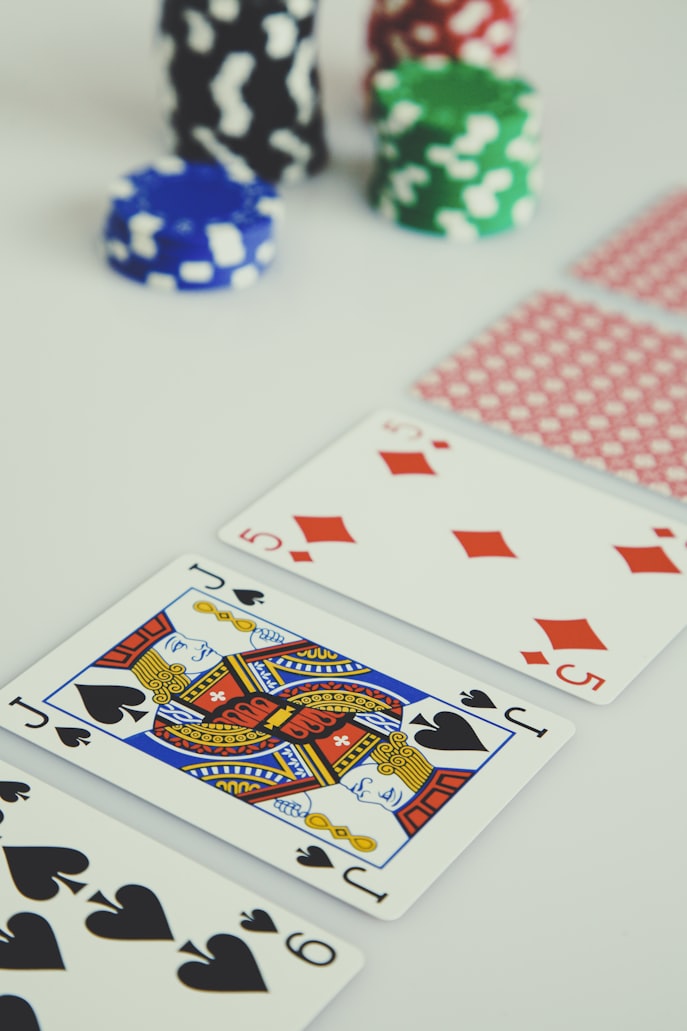
In ancient Rome, gambling evolved into an organized activity, often associated with gladiatorial games and public spectacles. Roman soldiers would engage in betting during these events, demonstrating how gambling became a social lubricant that fostered camaraderie and entertainment. Dice games were immensely popular, and the laws of the land even acknowledged gambling, with regulations aimed at controlling its excesses. This acknowledgment highlights the societal acceptance of gambling, laying a foundation for its evolution into a mainstream activity.
As cultures developed, gambling practices became more diverse. In Ancient Egypt, for example, the game of Senet was not only a board game but also involved elements of chance and wagering. It reflected the culture’s belief in fate and the afterlife. Similarly, in India, games like Chaturanga hinted at the strategic elements of gambling, with players betting on their skills. This rich tapestry of early gambling practices showcases how the activity served various purposes, from spiritual to social, setting the stage for its evolution into modern entertainment.
Transition to Organized Gambling in the Middle Ages
The Middle Ages marked a significant transition in the realm of gambling, as it began to be more organized and codified. During this period, games of chance were often played in taverns and marketplaces, where local laws began to regulate gambling practices. The first recorded lotteries appeared in the 15th century, primarily in Europe, aimed at raising funds for public projects. This shift indicated a move away from informal betting to a more structured approach, where gambling served both entertainment and civic purposes.
With the rise of the Renaissance, gambling flourished among the elite. Card games became increasingly popular, leading to the establishment of the first gambling houses. These early casinos provided an environment where people could indulge in betting while socializing. The concept of games designed for the purpose of gambling solidified during this time, giving birth to games that are still popular today. The gaming houses also allowed for the development of house rules and odds, which became foundational elements in modern gambling.
By the end of the Middle Ages, gambling had evolved into a recognized social activity, complete with varying levels of social acceptability. While some viewed it as a necessary amusement, others criticized its potential for fostering vice. Nevertheless, the establishment of regulations and standards set the groundwork for future gambling systems, reflecting a growing acknowledgment of the role of chance and strategy. This era laid the foundation for the modern gambling landscape, where both luck and skill play integral roles.
The Rise of Commercial Gambling in the 19th Century
The 19th century marked a pivotal point in the history of gambling, as it became increasingly commercialized and accessible to the general public. The introduction of state-sponsored lotteries began in various countries, providing a legal framework for organized gambling. This shift allowed governments to profit from gambling activities while also utilizing the funds for public welfare projects. The creation of such lotteries demonstrated the merging of gambling with social responsibility, an idea that would continue into the modern era.
In addition to lotteries, this period witnessed the emergence of racetracks and sports betting, which contributed to a shift in how gambling was perceived. The establishment of horse racing as a betting sport brought a new level of excitement, attracting both seasoned gamblers and newcomers. The introduction of betting odds and systems of evaluation made gambling more strategic, enhancing the thrill and engagement for participants. This transition reflected broader societal changes, as leisure time increased and more people sought entertainment outside of their daily routines.
The 19th century also laid the groundwork for the modern casino experience. The first official casinos began to appear in Europe, with establishments like the Casino of Monte Carlo setting standards for luxury and entertainment. These venues offered a range of gambling games, from roulette to baccarat, catering to various social classes. The commercial aspect of gambling transformed it into a form of entertainment that appealed to a broader audience, paving the way for the vibrant gaming culture we see today.
Modern Gambling and Its Global Influence
The late 20th and early 21st centuries witnessed an explosion of gambling opportunities globally, fueled by technological advancements and changing societal attitudes. The advent of the internet revolutionized the gambling landscape, giving rise to online casinos and betting platforms. Players could now engage in their favorite games from the comfort of their homes, transforming how gambling was consumed. This shift not only expanded the audience but also made gambling more accessible, leading to an increase in participation across various demographics.
As online gambling continued to grow, so did the variety of games and betting options available. Virtual and live dealer games created immersive experiences that mimicked the excitement of traditional casinos. Moreover, the integration of mobile technology allowed users to gamble on the go, significantly broadening the reach of the industry. This digital transformation of gambling introduced new challenges as well, such as concerns over regulation, responsible gaming, and the impact of gambling addiction.
Modern gambling has also led to the globalization of gambling culture, with international events like the World Series of Poker garnering attention worldwide. Countries are increasingly recognizing the economic benefits of legalized gambling, leading to the establishment of numerous gambling jurisdictions. This not only contributes to local economies but also encourages tourism, as places like Las Vegas and Macau become major destinations for gambling enthusiasts. This interconnectedness highlights how gambling has evolved into a significant cultural and economic force.

Westace Casino: A Modern Gaming Experience
The Westace Casino exemplifies the evolution of gambling in the contemporary landscape, merging traditional gaming experiences with modern technology. As New Zealand’s premier online gaming destination, Westace offers a wide array of games sourced from over 100 top-tier providers. This extensive library ensures that both casual players and seasoned gamblers find something that captures their interest, reflecting the diverse preferences of today’s gamers. The platform promotes a player-friendly environment where entertainment is the priority.
The commitment to responsible gaming and transparency is evident at Westace, as it offers secure payment options, including cryptocurrencies, and a robust welcome package. This dedication to providing a safe and enjoyable experience highlights how modern gambling sites must adapt to the needs of their players. Ongoing promotions and bonuses further enhance user engagement, making it an attractive option for those looking to explore the world of online gaming.
By continuously evolving and embracing new technologies, Westace Casino stands at the forefront of the gaming industry. It not only preserves the essence of gambling as a form of entertainment but also integrates modern innovations to elevate the gaming journey. As the gambling landscape continues to change, platforms like Westace will undoubtedly play a pivotal role in shaping its future, ensuring that the excitement of gambling endures for generations to come.
