
Exploring the cultural roots of gambling across different societies
The Historical Origins of Gambling
The roots of gambling can be traced back thousands of years, with evidence found in ancient civilizations such as the Chinese, Egyptians, and Greeks. The earliest known gambling activities included rudimentary games of chance, often conducted with dice made from materials like bone and ivory. In these societies, gambling was frequently tied to religious rituals and cultural traditions, highlighting its significance beyond mere entertainment. As communities evolved, so too did the complexity of gambling, incorporating it into social gatherings and community events. Today, players can explore a wide range of games at monacojack.eu, where tradition and innovation coexist.

In ancient Rome, gambling was a popular pastime among citizens, with games like dice and betting on gladiatorial fights being commonplace. This indicates how gambling served not just as a form of leisure but also as a method of social interaction. Romans embraced gambling in various forms, leading to the establishment of regulations to control its prevalence. These historical precedents laid the groundwork for more structured forms of gaming in later societies, revealing a foundational cultural acceptance of gambling activities.
The expansion of gambling practices across different cultures can also be seen through the evolution of playing cards, which originated in China and eventually spread to Europe in the 14th century. This movement indicates how cultural exchange played a vital role in the development of gambling, reflecting the adaptability of games across different societies. Each culture modified the games to fit their social norms and values, illustrating how gambling has been intertwined with human civilization for centuries.
Gambling and Cultural Identity
Cultural identity significantly influences gambling practices across the globe. In many societies, gambling is woven into the fabric of community life. For example, in Native American cultures, tribal casinos are not just venues for gaming but also serve as hubs for cultural preservation and economic development. The establishment of these casinos has enabled tribes to reclaim their sovereignty and provide for their communities while fostering a unique cultural identity that celebrates their heritage through gaming.
Similarly, in Japan, traditional games like Hanafuda not only serve as forms of entertainment but are also integral to social gatherings and family traditions. These cultural games emphasize skill and strategy, contrasting with more chance-based Western gambling practices. The significance of these games within Japanese culture underscores how gambling can serve as a medium for cultural expression, reinforcing bonds among family and community members.
Moreover, many societies integrate gambling into their festivals and celebrations, creating a communal experience. This integration can be seen in events like the Chinese New Year, where games of chance are played as a way to usher in good fortune for the coming year. Such cultural contexts emphasize that gambling is not merely a pursuit of wealth but an activity deeply rooted in cultural practices and social cohesion.
Modern Gambling: Globalization and Technology
The advent of the internet has revolutionized gambling, allowing access to a vast array of games from different cultures. Online casinos and gaming platforms have made it possible for individuals to experience diverse gambling practices without geographical constraints. This globalization of gambling has led to the merging of various traditions and styles, creating hybrid forms of gaming that reflect a blend of cultural influences.
Technological advancements have also transformed traditional gambling activities. For instance, virtual reality (VR) and augmented reality (AR) technologies have introduced immersive experiences, allowing players to engage with games in ways that were previously unimaginable. This shift has attracted a younger audience, eager to explore the intersection of technology and gambling, thus evolving the cultural landscape of this age-old practice.
However, the globalization of gambling has raised questions about regulation and cultural preservation. As traditional forms of gambling compete with modern online platforms, there is a concern that unique cultural practices may be overshadowed. It becomes essential for societies to find a balance between embracing technological advancements and protecting their cultural heritage, ensuring that gambling remains a reflection of their unique identities.
The Social Impact of Gambling
The social implications of gambling are profound, influencing everything from economic development to community dynamics. In many regions, the establishment of casinos has been touted as a means of boosting local economies. Job creation, increased tourism, and funding for social programs are just a few of the benefits that have been observed. However, the influx of gambling establishments can also lead to social challenges, including addiction and crime, necessitating a careful examination of their impacts on communities.
Furthermore, the perception of gambling varies widely across cultures, which can influence its social acceptance. In some societies, gambling is viewed as a legitimate form of entertainment, while in others, it may be associated with vice and moral decline. This dichotomy can affect how communities regulate gambling activities and provide support for individuals struggling with addiction. Understanding these cultural attitudes is critical in developing effective policies that address the complexities of gambling in society.
Community engagement plays a vital role in addressing the social ramifications of gambling. Many jurisdictions implement responsible gambling initiatives aimed at educating the public about the risks associated with gambling while promoting safer practices. These programs often incorporate cultural elements to resonate more deeply within specific communities, illustrating the importance of tailored approaches to address the diverse cultural landscapes surrounding gambling.
Discovering Your Gaming Experience with MonacoJack Casino
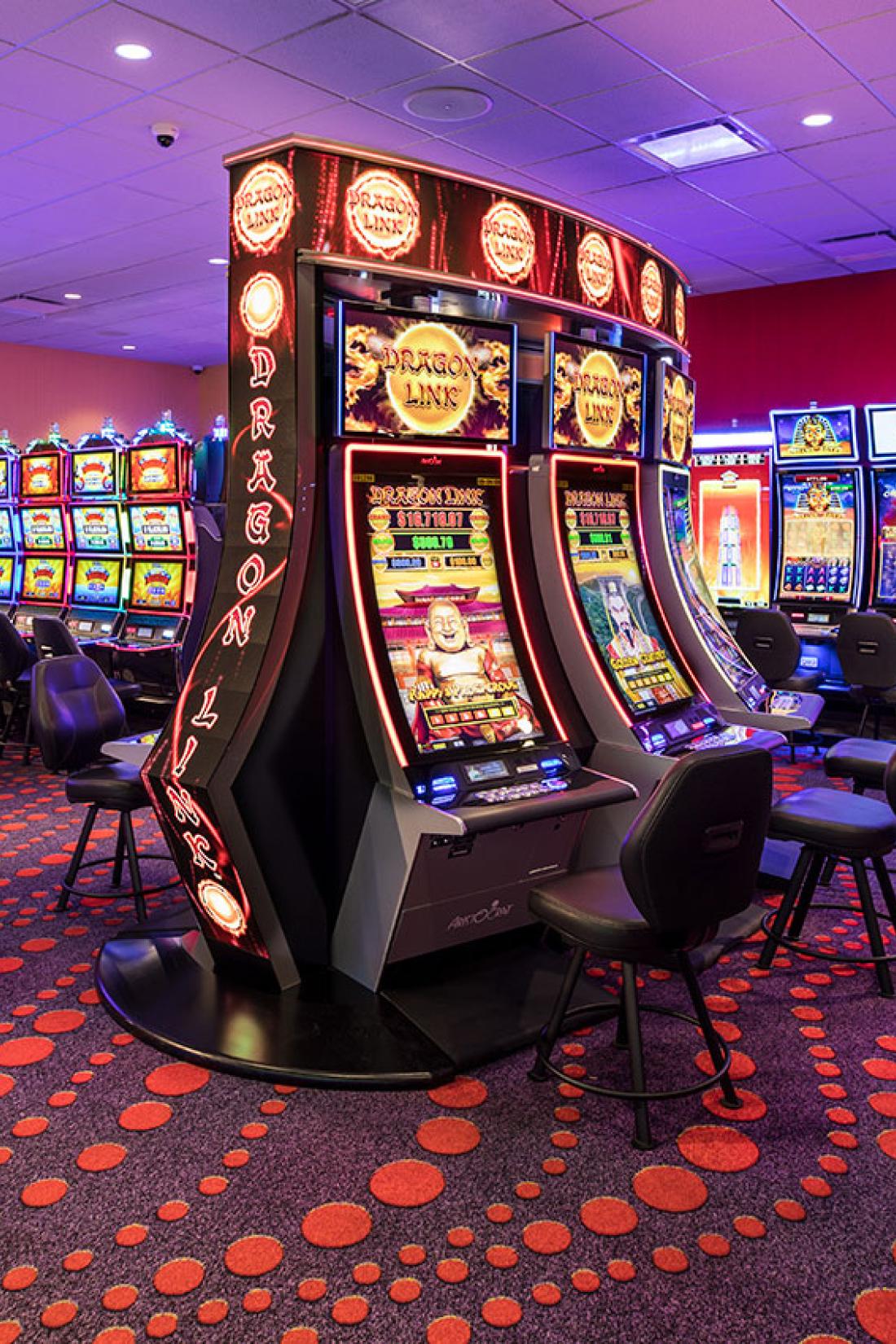
MonacoJack Casino is an exemplary platform that embraces the rich tapestry of gambling’s cultural roots. With a vast selection of games, including slots from renowned providers, players can explore various gaming styles influenced by different cultures. The casino aims to deliver a seamless experience on both desktop and mobile devices, making it accessible to a global audience. By offering a diverse range of gaming options, MonacoJack Casino acknowledges and celebrates the historical significance of gambling across societies.
For new players, the casino provides enticing welcome bonuses and promotions, enhancing the overall gaming experience. These incentives reflect the platform’s commitment to fostering a vibrant gaming community where individuals can come together to enjoy the thrill of gambling while exploring its diverse cultural dimensions. The supportive customer service team is available around the clock to ensure that players have a smooth and enjoyable experience, reinforcing the casino’s dedication to user satisfaction.
Ultimately, MonacoJack Casino serves as a gateway for individuals to not only indulge in gambling but also to appreciate its cultural heritage. By engaging with this platform, players can immerse themselves in a world where tradition meets modernity, allowing for a richer understanding of gambling’s place in society today. Join MonacoJack Casino to discover your own gaming journey and become part of a dynamic community that celebrates the historical and cultural roots of this age-old pastime.
